How Long Is a Building Permit Valid in Israel?
A guide for property owners in Israel: building permit validity, permit extensions, starting work, Form 4, licensing stages, and the authorities to check with the local committee.
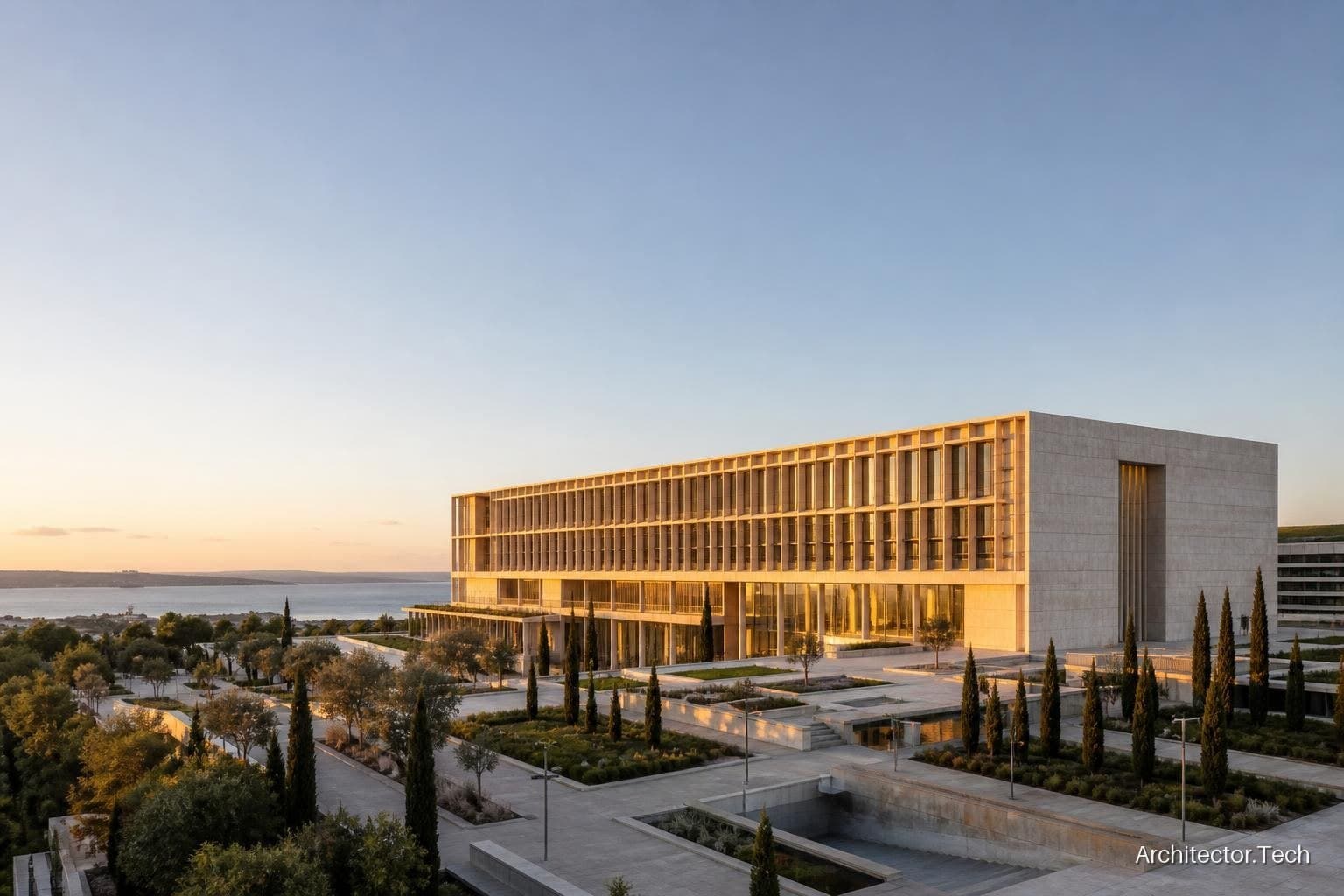
In most cases, a building permit (היתר בנייה) in Israel is valid for three years from the date it is issued. However, the actual validity period and the possibility of extending it depend on the permit conditions, when the work began, the type of project, and the decision of the licensing authority or the Local Planning and Building Committee. It is therefore important to check the date stated on the permit and not rely solely on a rule of thumb.
If it is not possible to start or complete the work on time, an application to extend the validity period generally must be submitted before the permit expires. An application submitted late may require a new licensing procedure or a more complex review. In some cases, the lawful commencement of work affects the continued validity of the permit, but it should not be assumed that the permit remains valid indefinitely: the specific conditions must be checked with the licensing department of the municipality or local council.
What Determines the Validity of a Building Permit?
A building permit is a planning and legal authorization to carry out specific work on a property, in accordance with the approved plans, documents, and conditions. In Israel, the permit is issued by the licensing authority of the Local Planning and Building Committee, and it may sometimes include requirements from additional bodies, such as the Israel Land Authority, the Home Front Command, the fire and rescue services, the water corporation, or infrastructure authorities.
The validity period is generally counted from the date the permit is issued, not from the date the property owner decided to begin the project. The relevant date appears in the permit document itself and sometimes also in the online licensing system. The preliminary conditions for starting work should also be reviewed, including the appointment of required professionals, approval of working plans, payment of fees and levies, receipt of supplementary approvals, and submission of documents to the authority.
A permit applies only to the work approved in it. Changes to the design, an increase in floor area, changes to the location of openings, or an additional construction may require an amendment to the permit, a new permit, or another planning procedure. Therefore, work should not be started based on an existing permit if the design has changed substantially.
Can a Building Permit Be Extended?
In many cases, it is possible to request an extension, but an extension is not automatic. The application is submitted to the licensing authority or the Local Planning and Building Committee in accordance with the procedure followed in the relevant area, and generally before the validity period ends. The authority examines the status of the permit, the progress of the project, the reason for the delay, changes in the plans and planning policy, and whether the permit still corresponds to the current planning situation.
An extension may be simpler when the permit is still valid, the provisions of the applicable plan have not changed, and the work is progressing in accordance with the approved documents. By contrast, when the permit has expired, the design has changed, or work has been carried out inconsistently with the permit, a new submission or a more complex procedure may be required.
What Should Be Checked Before Applying for an Extension?
- The expiration date stated in the official permit document.
- Whether a notice of commencement of work was submitted and whether the work began in accordance with the requirements.
- Which preliminary conditions have not yet been fulfilled.
- Whether changes have occurred in the statutory plan (תב״ע), the information file, municipal guidelines, or the requirements of the approving authorities.
- Whether any documents, approvals, or payments need to be updated.
- Whether the work actually carried out conforms to the permit and the execution plans.
It is advisable to begin the review several months before the expiration date. This makes it possible to identify missing documents, obtain answers from the committee, and plan the continuation of the work without risking an unnecessary interruption to the project.
How Long Does the Process of Extending a Permit or Obtaining a New Permit Take?
There is no uniform timetable in Israel for all authorities and all types of projects. The processing time depends on the complexity of the application, the quality of the documents, the number of bodies involved, and the workload in the licensing department. A relatively simple application may progress within several weeks to several months, while a project involving reliefs, a special use, objections, infrastructure requirements, or the need for revisions may take considerably longer.
| Stage | Typical timeframe for planning purposes only | What May Extend the Process |
|---|---|---|
| Initial review of documents | Several days to several weeks | Missing items, invalid signatures, or outdated documents |
| Preparation of an application to extend the permit | Several weeks to several months | The need to update plans, surveys, or approvals |
| Discussion or decision by the licensing authority | Varies according to the authority and procedure | Workload, additional requirements, or the need to consult with other bodies |
| New permit procedure or substantial change | Several months or sometimes longer | Relief, special use, objections, or a planning change |
| Completion of conditions before starting work | Several weeks to several months | Infrastructure, safety, fire protection, or ownership documents and approvals |
The timeframes in the table are for general guidance only and do not constitute a commitment by the authority or Architector.Tech. Each case is assessed according to the locality, type of work, status of the permit, and documents submitted.
How Do You Obtain a Building Permit in Israel?
The licensing process begins by checking the building rights and plans applicable to the plot or apartment. An architect or appropriate professional examines the existing situation, title documents, the statutory plan, and the guidelines of the Local Planning and Building Committee. It is then possible to request an information file for a permit, in which the local authority specifies the planning data and requirements for continuing the process.
- Review of rights and existing conditions: Surveying, checking a previous permit, applicable plans, and possible building irregularities.
- Design preparation: Developing architectural plans, structural solutions, and supplementary documents according to the type of work.
- Collection of approvals: Obtaining approvals from relevant bodies, depending on the location and characteristics of the project.
- Submission through the licensing system: Uploading documents, signatures, declarations, and paying fees as required by the authority.
- Review and revisions: Responding to reviewers’ comments and completing documents until a decision is issued.
- Fulfillment of conditions and receipt of the permit: Completing final requirements, payments, and approvals needed before the permit is issued or work begins.
The duration of the process also depends on whether the project involves an addition, balcony enclosure, internal alteration, demolition and reconstruction, or a new development. Not every type of work requires the same procedure, so it is important to obtain a professional classification before submitting an application.
The Relationship Between a Building Permit and Form 4 (טופס 4)
Form 4 is not a substitute for a building permit. A building permit allows the approved work to be carried out, while Form 4 generally relates to approval for occupancy or connecting the building to infrastructure after the work has been completed and inspected in accordance with the requirements. In certain buildings and projects, occupancy documents or equivalent approvals may be used in accordance with the authority’s procedures.
To proceed with obtaining Form 4, it must be demonstrated that the construction was carried out in accordance with the permit and approved plans, and that the requirements of the relevant bodies have been fulfilled. Among other things, approvals may be required for electricity, water, sewage, fire protection, protective systems, elevators, site development, and infrastructure. The list of requirements is not identical in every locality or for every type of building.
Therefore, even if the building permit is still valid, this does not mean that the building is ready for occupancy. Likewise, Form 4 does not extend an expired permit and does not automatically legalize irregularities or changes carried out without approval.
Common Mistakes and What to Do
The most common mistake is waiting until shortly before the expiration date. Delays in design, construction costs, financing, or obtaining approvals can quickly become a licensing problem. Another mistake is assuming that partial commencement of work is always sufficient to preserve the validity of the permit. The definition of commencement of work and its significance may depend on the circumstances and the authority’s requirements.
Before purchasing a property or committing to carry out work, it is advisable to request a complete copy of the permit, plans, and accompanying documents. Check the permit date, conditions, notes, approvals that are still missing, and the consistency between the permit and the actual condition on site. In case of doubt, it is advisable to consult an architect, practical engineer, or licensing consultant familiar with the relevant Local Planning and Building Committee.
The information in this article is general and does not replace professional review or approval by the licensing authority. Procedures may vary between authorities and over time, so the validity, possibility of extension, and required documents should be verified with the Local Planning and Building Committee before making a decision.