How Much Does a Home Cost in Israel? A Practical Guide
A practical guide to home purchase and construction costs in Israel, including land, permits, taxes, timelines and the process for foreign buyers.

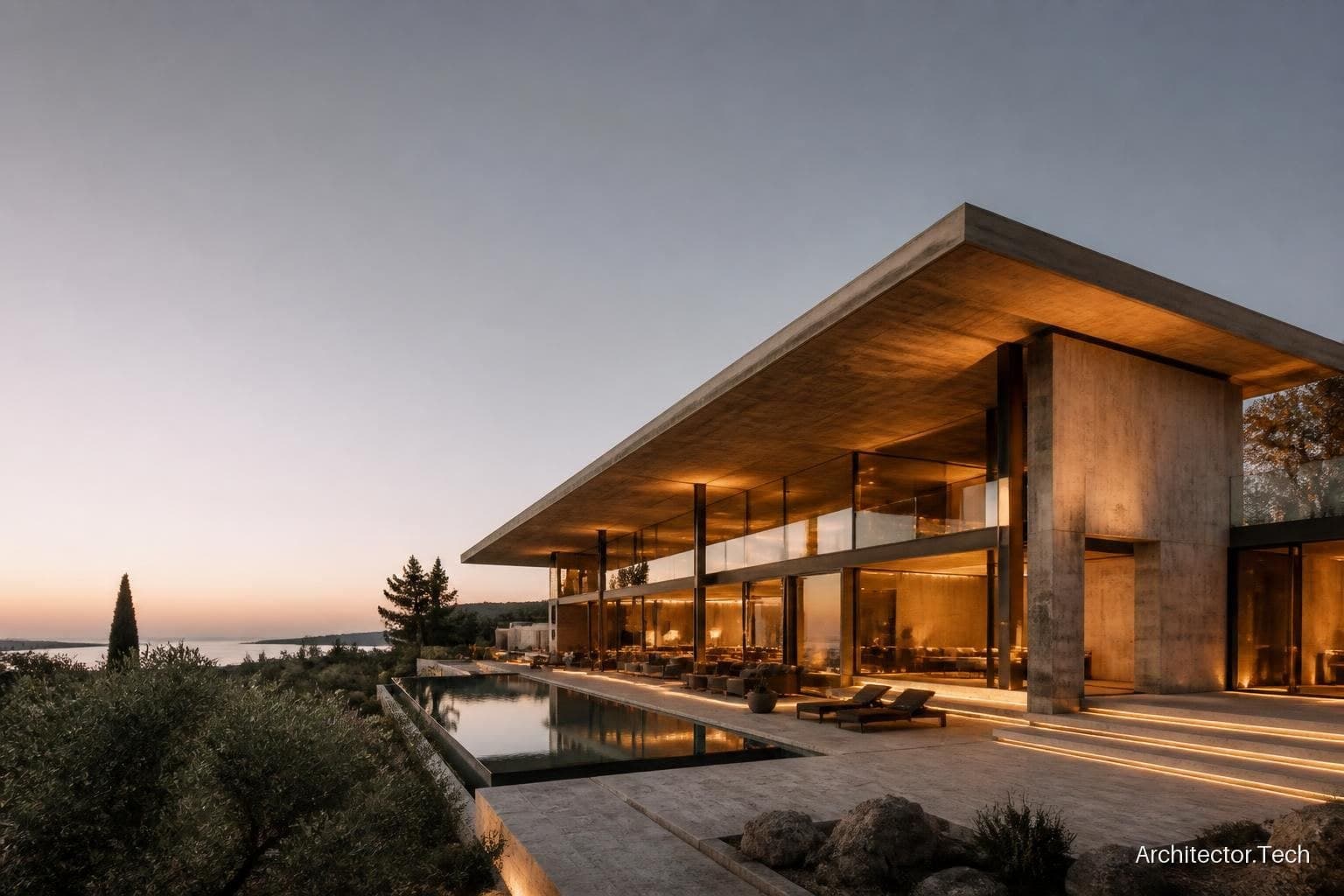
How much does a home cost in Israel? The short answer is that a detached home usually costs several million shekels, but the total depends heavily on location, plot ownership, construction standard and planning status. A house in peripheral towns may be substantially more affordable than a comparable property in the Tel Aviv metropolitan area, Jerusalem or sought-after coastal communities.
For anyone considering building a house in Israel, the construction budget is only one part of the calculation. Land, development charges, design, engineering, permits, financing, taxes and connection to utilities can materially change the final figure. The table below provides broad market orientation rather than a fixed quote.
Indicative home and construction costs in Israel
| Property or work | Broad indicative range | What the range generally means |
|---|---|---|
| Detached home in peripheral towns | Approximately ₪1.8–4 million | Existing houses in smaller cities and communities; condition and plot size vary considerably |
| Detached home in Haifa, the North or established regional towns | Approximately ₪2.5–5.5 million | Existing homes, depending on neighbourhood, views, land rights and renovation needs |
| Detached home in Jerusalem and high-demand central areas | Approximately ₪4–10 million or more | Strongly affected by location, conservation restrictions, plot size and demand |
| Detached home in Tel Aviv and the Gush Dan metropolitan area | Approximately ₪5–15 million or more | Scarce land and high land values can dominate the total price |
| Construction of a standard private house, excluding land | Approximately ₪8,000–15,000 per built square metre | Typical construction scope; site conditions, specifications and professional fees may change the result |
| High-end construction, complex site or premium specification | Approximately ₪15,000–25,000 or more per built square metre | Luxury finishes, difficult access, retaining walls, basements, pools and complex systems |
These ranges reflect broad market orientation only. They are not an Architector.Tech price list, quotation or offer. The exact cost must be calculated for the specific plot, design, legal status, specification and construction conditions.
Construction figures normally exclude the value of the land. They may also exclude or only partially include VAT, demolition, excavation, retaining structures, landscaping, kitchen and wardrobe packages, utility connections, development levies and financing costs. Before comparing contractors, confirm exactly what each estimate includes.
What determines the price of a house?
Location and land rights
In Israel, location often has a greater impact on the budget than the building itself. A plot in a central city can cost more than the complete construction of a house in a peripheral community. The legal form of ownership also matters. Some properties are registered in the Land Registry, commonly known as Tabu (טאבו), while others involve a lease or rights administered through the Israel Land Authority, or Israel Land Authority (רשות מקרקעי ישראל).
When reviewing a plot, check the registered rights, permitted building area, setbacks, building lines, height limits, easements and any betterment or development charges. A plot advertised as suitable for a private house may still require a detailed planning review before its real potential is known.
Design and construction standard
The cost to build a house in Israel changes with the built area and with the specification. A compact, efficient house with standard finishes is not comparable to a large villa with a basement, lift, swimming pool, imported stone, smart-home systems and extensive glazing. Climate, topography and the need for a safe room, or safe room (ממ״ד), also affect the design and engineering solution.
Architectural and engineering services should be considered from the beginning rather than added after a contractor has been selected. The project team may include an architect, structural engineer, surveyor, soil consultant, landscape designer, energy or sustainability specialists and other consultants required by the project or the local authority.
Building a house in Israel: permits and timeline
The planning route depends on the municipality, local planning policy, the zoning plan and the condition of the plot. A building permit (היתר בנייה) is generally handled through the relevant local planning and building committee, often using the national planning and building information systems. Requirements and review times differ between authorities, so the local committee should be treated as the final source for project-specific information.
| Stage | Typical planning orientation |
|---|---|
| Due diligence and feasibility review | Several weeks to a few months |
| Concept design, surveys and permit documentation | Several months, depending on complexity |
| Permit review and approvals | Several months to more than a year in difficult cases |
| Construction after permit and financing are ready | Often about twelve to twenty-four months for a private house |
| Inspections, utility connections and occupancy approval | Several weeks to several months |
These are general planning ranges, not guaranteed deadlines. Objections, missing documents, changes requested by authorities, title issues, infrastructure works, contractor availability and unusual site conditions can extend the process.
Before the house can be occupied, the project must pass the required inspections and obtain the relevant approval for connection and use. In everyday practice, many people refer to this stage as Form 4 (טופס 4). The precise documentation depends on the authority and the project, so the architect and supervising professionals should coordinate the final process with the municipality and utility providers.
Additional costs buyers and owners should plan for
The purchase price or construction contract is not the complete budget. A realistic financial model should include:
- Legal review of the title, contracts and planning status.
- Real estate agency fees, where an agent is involved.
- Purchase tax and any tax implications connected with the buyer’s status.
- Betterment levies, development charges and municipal payments.
- Design, surveying, engineering, soil testing and permit-related work.
- Demolition, excavation, foundations, retaining walls and site access.
- Utility connections, temporary services, insurance and construction supervision.
- Interior fit-out, appliances, landscaping, fencing and external works.
- Mortgage arrangement, currency conversion and financing costs for overseas buyers.
Tax treatment is especially important for new immigrants, returning residents, Israeli residents and non-resident foreign buyers. The rules can depend on personal circumstances and may change. Obtain current advice from an Israeli tax adviser and lawyer before signing a binding agreement or transferring funds.
Can a foreigner buy or build a house in Israel?
In many cases, yes. Foreign citizens can purchase residential property in Israel, but the practical process depends on the property’s ownership structure, the buyer’s status and the source of funds. Buying a property is different from obtaining residency or citizenship: ownership does not automatically grant immigration rights.
An overseas buyer should arrange independent legal due diligence before making a deposit. The lawyer should verify the seller’s rights, registration, planning permissions, outstanding debts, liens, building deviations and the tax position. If the property is connected with land administered by the Israel Land Authority, additional procedures or consents may apply.
For a new build, an overseas client should also appoint a local project team able to communicate in English and coordinate with the municipality, consultants, contractors and utility providers. A power of attorney may be useful, but it should be prepared and reviewed by an Israeli lawyer. Currency risk is another practical issue: a budget prepared in euros, dollars or pounds may change when payments are made in shekels.
How to prepare a reliable budget
The safest way to estimate the cost of building a house in Israel is to start with the plot and its planning rights, not with an attractive catalogue image. A professional feasibility review should establish what can legally be built, what surveys are needed and whether the site has unusual technical constraints.
- Verify ownership, lease rights, zoning and permitted building volume.
- Commission a topographical survey and review access, infrastructure and neighbouring buildings.
- Develop a concept design that reflects the actual planning restrictions.
- Prepare a cost plan with separate allowances for construction, professional services, taxes and external works.
- Keep a contingency for unknown site conditions and design changes.
- Compare contractor offers only after checking their scope, exclusions, insurance and payment structure.
Whether you plan to buy an existing home or build a house in Israel, the most useful first step is a location-specific feasibility assessment. National averages can provide context, but the final answer depends on the exact plot, neighbourhood, legal rights, design brief and level of finish.